
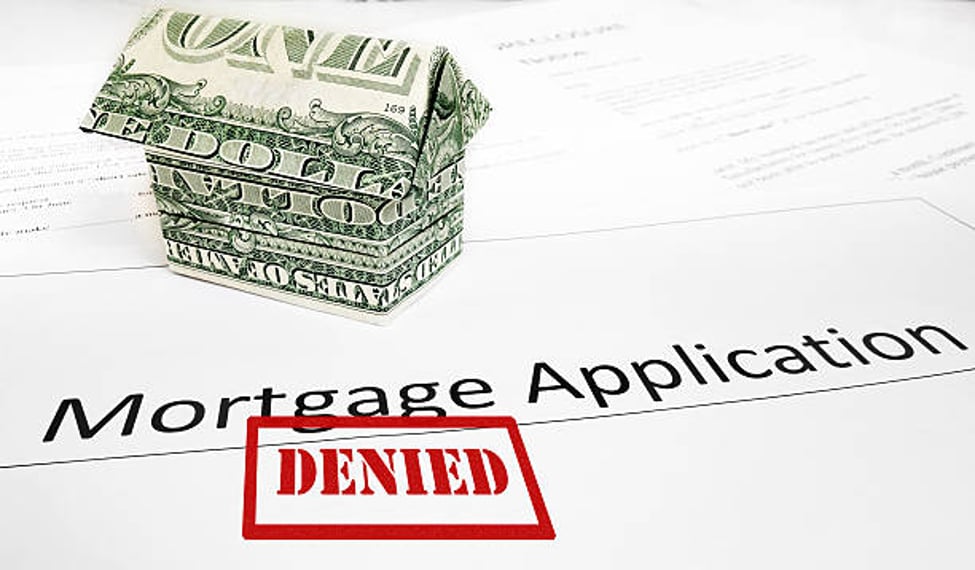
Yes — in Canada, a mortgage can absolutely be denied even after you’ve been pre-approved. A pre-approval is not a guarantee of final approval.
Here’s how it works and why it happens 👇
What a Mortgage Pre-Approval Really Means (Canada)
A pre-approval is a conditional assessment by a lender based on:
Your stated income
Credit score/credit report at that time
Estimated debts
Current lending rules and interest rates
It typically:
Locks in a rate for 90–120 days
Gives you a maximum purchase price
Is not fully underwritten
Final approval only happens after you have an accepted offer on a property.
Common Reasons a Mortgage Is Denied After Pre-Approval
1. Change in Your Financial Situation
Any of these can cause a denial:
Job loss or probationary employment
Reduced hours or income
Taking on new debt (car loan, line of credit, credit cards)
Missed or late payments
Lower credit score since pre-approval
📌 Lenders re-check everything before funding.
2. The Property Doesn’t Qualify
Even if you qualify, the property must too:
Appraisal comes in lower than purchase price
Condo has poor financials or too many rentals
Property is non-standard (rural, co-op, leasehold land)
Condition issues (structural, water damage, illegal units)
3. Income Can’t Be Verified
This is very common:
Employer won’t confirm income
Self-employed income doesn’t meet lender criteria
Bonuses/commission not accepted as stable
Recent job change without enough history
4. Stress Test Failure
Canada requires borrowers to pass the mortgage stress test:
You must qualify at the higher of:
Contract rate + 2%, or
The Bank of Canada qualifying rate
If rates rise or debts increase, you may fail the stress test at final approval.
5. Down Payment Issues
Problems include:
Source of funds can’t be verified
Gift letter missing or unacceptable
Borrowed down payment
Funds not in account long enough (typically 90 days)
6. Policy or Rate Changes
Even during a rate-hold period:
Lender underwriting rules can change
Insurer (CMHC / Sagan / Canada Guaranty) may decline
Property value limits or debt ratios change
How Common Is This?
It’s not rare, especially when:
Buyers stretch to the maximum pre-approved amount
Markets move quickly
Buyers make financial changes mid-process
How to Protect Yourself
✔ Don’t take on new debt
✔ Don’t change jobs (or ask first)
✔ Keep spending and credit stable
✔ Use a mortgage broker, not just a bank
✔ Include a financing condition in your offer
✔ Get the property reviewed early (especially condos)
Bottom Line
Pre-approval = permission to shop, not a promise to lend.
Final approval depends on you, the property, and current lending rules all lining up.
If you want, I can:
Explain differences between bank vs broker pre-approvals
Review common condo red flags
Walk through what underwriters actually look for
Help you assess risk before making an offer . Just let me know! ELIAS JIRYIS.BROKER